In short
Most blocked drains in Dundee come down to a handful of causes. The first job is to work out whether the blockage is inside the property or in the outside run. Rodding or jetting then clears most of them, although a repeat blockage needs a closer look. Describe the problem through the online form, and your request goes to an engineer who can respond.
What blocks a drain
Fat, wet wipes and sanitary products block pipes of any age. Hair and soap collect in basins, baths and showers. Leaves, grit and silt collect in outside gullies. Tree roots can also enter a pipe at a joint, because they follow moisture.
The age and material of your own pipes change the risk. Older pipes can crack, shift or corrode, while newer plastic pipes have tighter joints. However, no pipe is immune to a build-up of fat or wipes. A camera check shows the real condition of your pipes.
Inside or outside: it changes the fix
An engineer first needs to know if the blockage sits inside the property or in the outside run to the sewer. Inside blockages affect one fixture, for example a toilet that will not flush, a basin that gurgles or a shower that clears slowly. Hair, soap, food waste or a dropped item usually causes the problem.
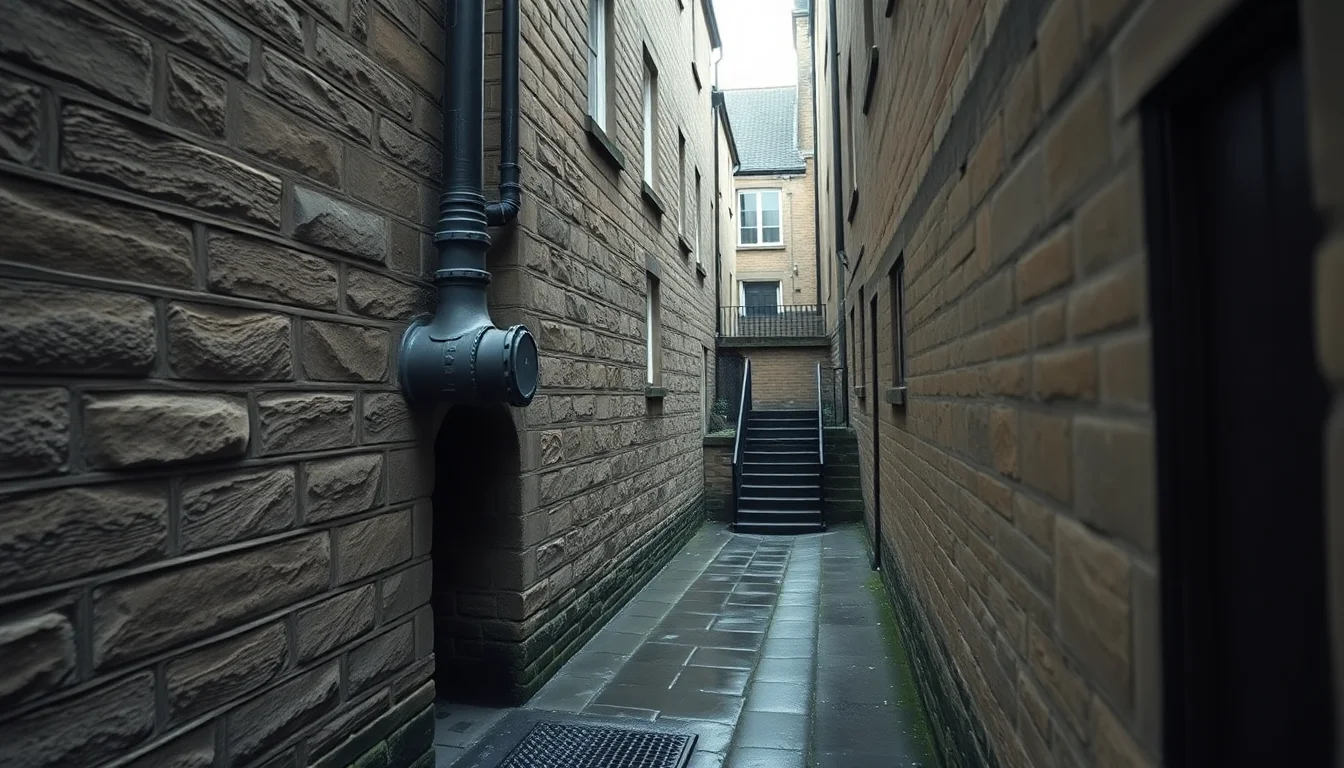
Outside blockages sit in the pipework between an inspection chamber or gully and the sewer. Silt, roots or a settled section of old pipe are the usual causes. An outside blockage tends to show up as several fixtures backing up at once, while an inside blockage affects just one.
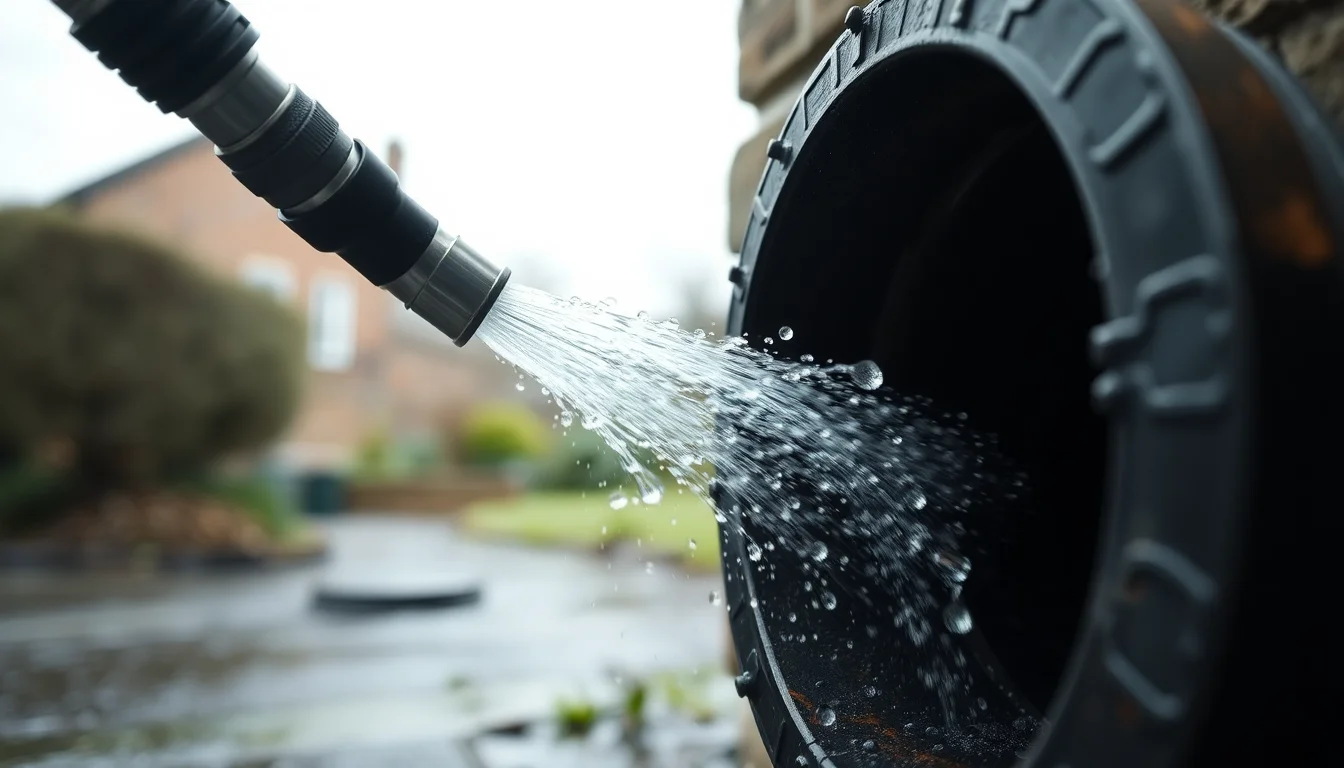
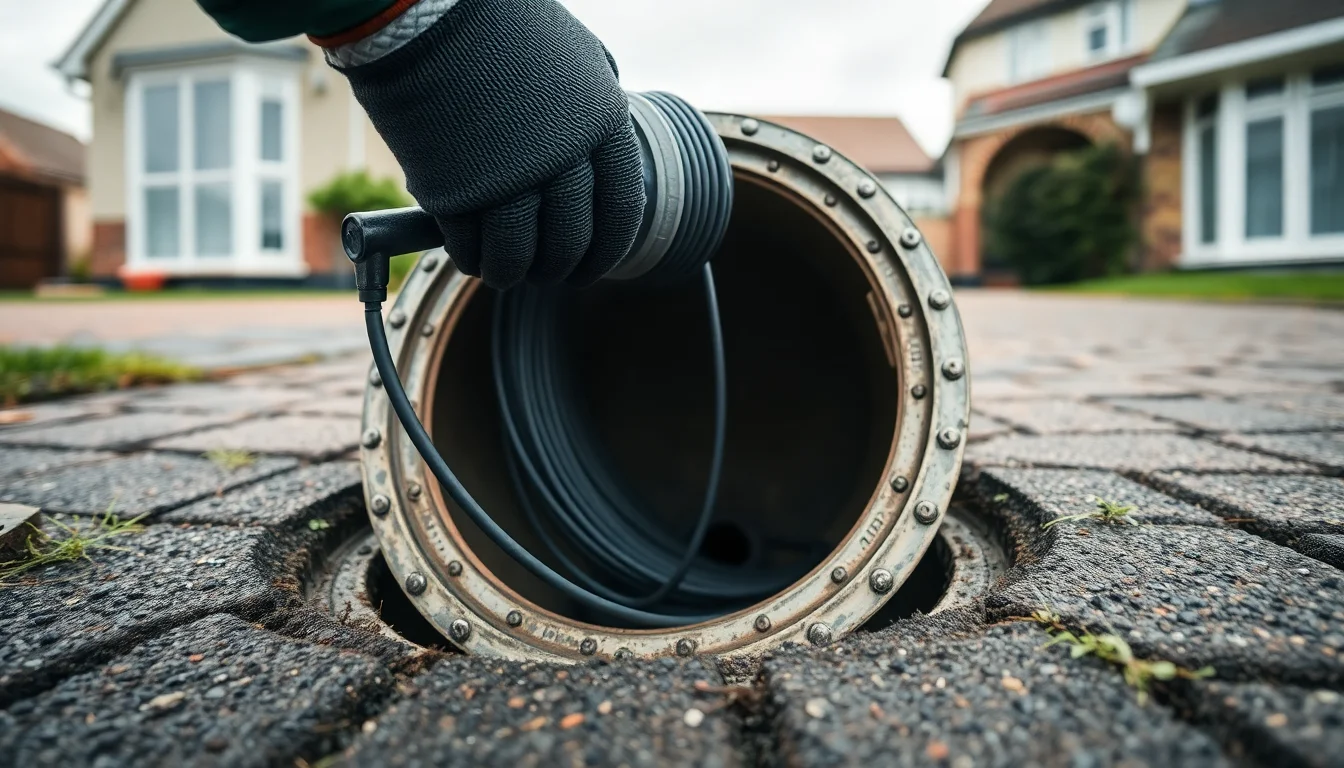
Knowing which side the fault is on decides the method. Inside work usually means a simple rod-clear, while an outside blockage further along a run more often needs high-pressure jetting. You can read more on internal drain unblocking.
Who is responsible in Dundee
Scottish Water provides and maintains the public sewers in Scotland, under the Sewerage (Scotland) Act 1968. Citizens Advice Scotland says owners are responsible for household waste pipes up to the point where they join the public sewer, while for shared pipes it says owners are jointly responsible and the title deeds usually say how to share costs. However, Scottish Water's guidance, as summarised by Local Authority Building Standards Scotland, says a drain that leaves the property's own ground, or joins drains from another property's ground, becomes a public sewer. Scottish Water looks after public sewers.
If you rent from Dundee City Council, the council says to report blocked or defective drains to its Customer Service Team or any Housing Office. If you rent from a private landlord, however, the repairing standard in the Housing (Scotland) Act 2006 applies. It says drains must be in a reasonable state of repair and in proper working order. Ask your landlord or letting agent to arrange the repair.
When it is an emergency
Some signs mean a blocked drain needs action straight away, because water and sewage can spread fast:
- Sewage backing up through a toilet, shower drain or floor drain
- Several fixtures draining slowly or backing up together
- Water or waste coming back up a drain after use
- A sewage smell that does not clear
If you see any of these, stop using the affected fixtures. Running more water through a struggling system makes the problem worse, since the water has nowhere to go. Mark your request urgent when you send it.
What a visit usually involves
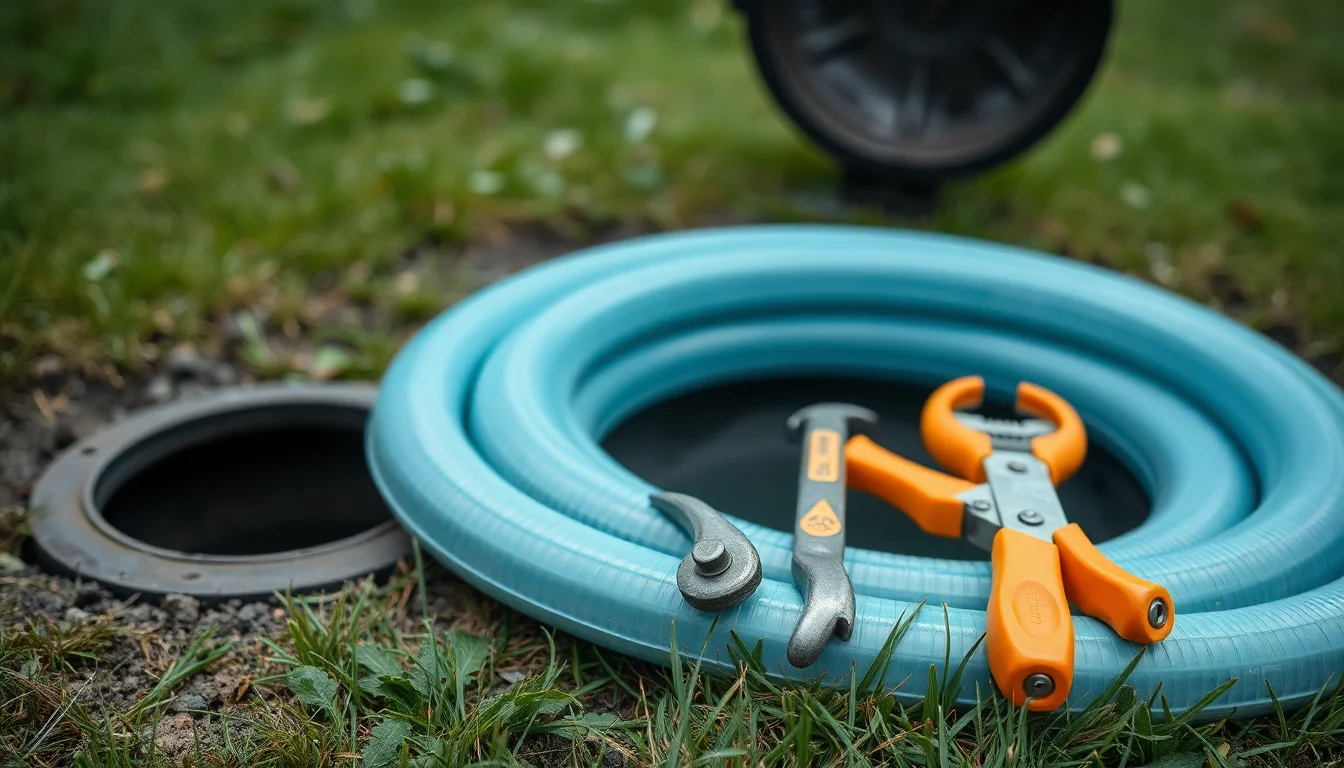
Every job differs, but most start with a look at the problem. An engineer may run water through the fixtures, check the flow and open an accessible chamber or gully. Soft blockages, such as fat, hair or paper, often respond to rodding. Roots or a hard grease plug may need jetting, because the water scours the full width of the pipe.
If a blockage returns after clearing, a CCTV drain survey is the next sensible step, since a repair should rest on evidence. The camera shows what is wrong, rather than leaving you to guess.
What it can cost
UK cost guides give a rough idea. MyJobQuote and Book A Builder both put basic drain unblocking at about £80 to £150. Call-out fees are separate in some quotes, while others include them. Ask what the price covers. These are guide figures, and the engineer's written quote is what counts.
Asking for help in Dundee
This site is a request service for drainage work. You send your details through the form, and your request goes to an engineer who can respond. The engineer who takes your job runs a separate business. Since the engineer sets the price, the arrival time and any guarantee, agree all three before work starts.
You can read about drain unblocking in Dundee, which also covers Broughty Ferry and nearby areas. When you are ready, use the online form. Say what is happening, and say which part of the city you are in, because it helps the engineer plan.
Nearby towns have their own pages for this work. See drain unblocking in Broughty Ferry or drain unblocking in Monifieth. Further along the coast, read about drain unblocking in Carnoustie. For every service in one place, open drain help in Broughty Ferry.
Frequently Asked Questions
Does this site cover all of Dundee?
Yes. The site has pages for Dundee and for Broughty Ferry, which is also in Dundee City. Because you send a request through the form, it goes to an engineer who can respond.
How quickly can someone come to a blocked drain in Dundee?
The engineer who takes your job sets the arrival time. Ask for it when they respond, and mark your request urgent if water or sewage is rising. This site cannot promise an arrival time, because the engineer sets it.
How much does drain unblocking cost?
The engineer sets the price. Ask for a written quote before work starts, and ask whether there is a call-out charge. UK guides give about £80 to £150 for basic unblocking, although your quote may differ.
Can I send a request outside normal hours?
Yes. The request form takes requests 24/7. However, the engineer who takes your job decides when to attend, so ask about timing and any out-of-hours charge.
Why can one blocked sink affect a neighbour?
Where a drain serves more than one property, a blockage low down in the shared pipe can back up into more than one home. Flats and terraces, for example, can share pipes in this way. Check your title deeds, and ask Scottish Water if the pipe may be a public sewer.