In short
Pipe relining is a no-dig repair. A liner soaked in resin goes into the damaged pipe and cures in place, which forms a new pipe inside the old one. Excavation is still the fallback when a pipe has collapsed or shifted too far for a liner. A CCTV drain survey shows which route your pipe needs, so start there and ask for a quote through the online form.
How trenchless relining works
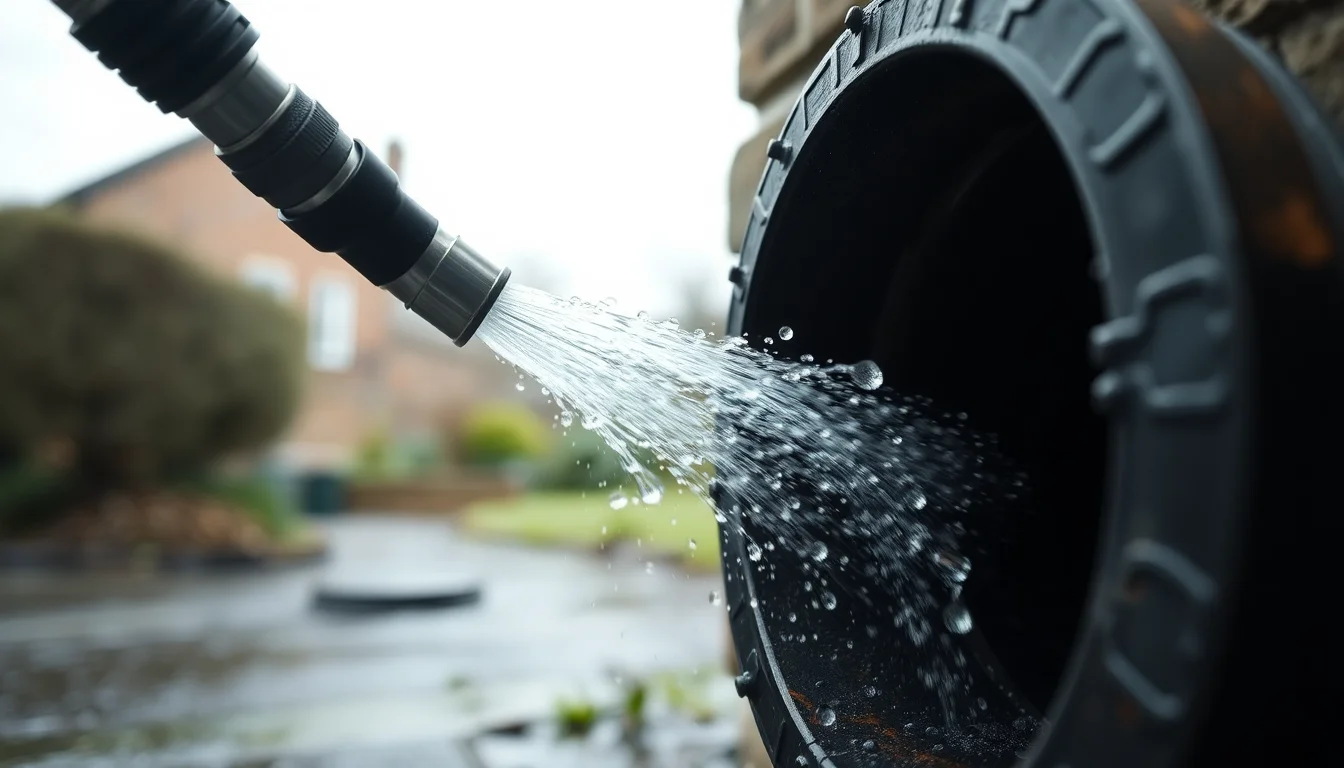
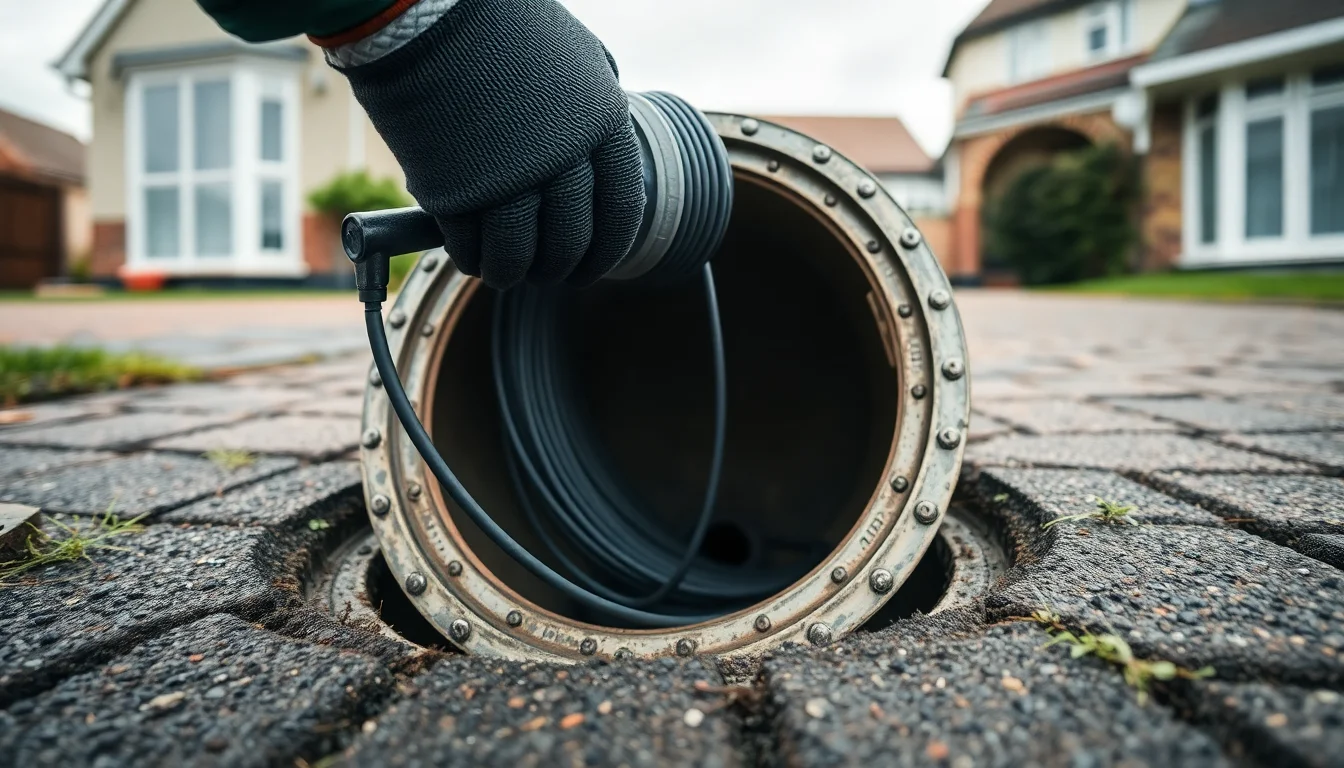
Some drains have cracks, root growth or small joint movement but still hold their shape. In that case, an engineer feeds a flexible resin-soaked liner in through an existing access point, such as a manhole or rodding eye. While the liner inflates, the resin presses against the inside of the old pipe. Hot water or UV light cures the resin, depending on the system, and the result is a smooth new pipe inside the old one.
Because the work happens inside the existing pipe, there is usually no need to break up a garden or lift a driveway. That is the main advantage where digging would be disruptive. You can read more on our pipe relining page.
When relining is the right call
Relining works when the old pipe is sound enough to act as a mould for the liner, because the liner copies its shape. It suits faults such as these:
- Hairline cracks that let water escape but have not changed the pipe's shape
- Root entry at a joint where the pipe has not moved
- Minor joint displacement, where the pipe still holds a roughly round shape
- Local wear that has thinned the pipe wall without a collapse
Older pipes made of clay can show these faults after many years in the ground, although age alone proves nothing. A survey shows whether your pipe is one of them. Relining then seals the entry point and restores flow, usually without digging up the garden above.
When excavation is the only option
Some damage is too severe for a liner, so digging becomes necessary. In particular, digging is needed when:
- The pipe has fully collapsed, so a section is broken or flattened
- A severe sag or misalignment stops a liner forming an even seal
- The drain must be moved, for example to make room for an extension
- The pipe has worn too far to support a liner while it cures
When excavation is needed, an engineer digs out the section and replaces the damaged pipe. The engineer then restores the surface, but you should ask how it will look afterwards. Since the engineer decides how, agree it in writing.
What the work can cost
UK cost guides give a rough idea. For relining a full domestic drain run, less.co.uk gives about £1,500 to £4,000. For excavation, Fantastic Services says a serious blockage that needs digging starts at around £600, while Book A Builder gives £1,000 to £5,000 or more for excavation and replacement, over one to five days.
These are UK guide figures, not Scottish prices. Costs depend on the length of pipe, the depth and the access, because each job differs. The engineer's written quote is what counts.
Why a survey decides, not a guess
The only reliable way to know which route your drain needs is to look inside it. A CCTV survey shows the pipe's real condition. Many reports grade faults with the WRc MSCC5 standard, so different people read the same finding in the same way. The footage shows whether the pipe holds enough shape for a liner, since a liner needs a pipe that keeps its form.
As a result, you avoid paying for a dig when lining would have done, and you avoid lining a pipe that is beyond repair.
Asking for help
This site is a request service for drainage work. You send your details through the form, and your request goes to an engineer who can respond. The engineer who takes your job runs a separate business. Since the engineer sets the price, the arrival time and any guarantee, agree all three before work starts.
Say in your request that you want a survey first, because the survey decides the repair. Say whether you are in Dundee, Angus, Perth or Fife. Then use the online form to start.
Each town has a page for drain repairs. Start with drain repairs in Dundee or drain repairs in Broughty Ferry. Along the coast, see drain repairs in Monifieth, drain repairs in Carnoustie or drain repairs in Arbroath.
Frequently Asked Questions
Is pipe relining cheaper than excavation?
It depends on the job, the access and the extent of the damage. UK guides give about £1,500 to £4,000 for a full relining job, while for excavation they give £1,000 to £5,000 or more. Ask for both options in writing after a survey, so you can compare them.
How long does a pipe relining repair take?
It varies with the length of the run and the curing method, since both change the work. Ask the engineer for a time once the survey shows what the job needs.
Can any damaged pipe be relined?
No, because relining needs the old pipe to hold roughly its original shape. A pipe that has collapsed, sagged badly or worn too far will need digging instead.
Does relining last as long as a new pipe?
A cured resin liner forms a new structural pipe inside the old one. How long it lasts depends on the condition of the pipe it lines, although the engineer can explain what to expect. Ask the engineer what covers the work if it fails.
Will excavation damage my garden or driveway?
While excavation means digging up the affected section, the engineer then restores the surface. A survey first means only the faulty section needs digging, rather than the whole run. Ask how the surface will look afterwards.