Kitchen sinks take cooking oil, food scraps and soap every day. Over time, these build up inside the pipe. Still, a few simple habits keep that build-up small.
Why kitchen drains block so easily
Fats, oils and grease are the main cause. When hot, they run freely down the pipe. However, they cool and set on the pipe wall, and then they catch food scraps until the pipe narrows.
Daily habits that help
Keep grease out of the sink
Let cooking fat cool and set, then scrape it into the bin. Never pour it away while it is liquid, because it will set in the pipe. Pour small amounts of oil into a container, then put it in your household waste. For larger amounts, ask your council how it takes used cooking oil.
Use a sink strainer
A simple mesh strainer catches food scraps before they reach the pipe. Empty it into the food waste bin after each use, because a full strainer stops the water. It costs little, and it helps stop small blockages from forming.
Scrape plates before washing
Scrape plates, pots and pans before they go in the sink. However, even with a waste disposal unit, large amounts of food can overload the pipe.
Run hot water after washing up
After washing up, run the hot tap for 15 to 30 seconds. This helps carry loose residue through the pipes. It matters most after greasy dishes, because grease sets as the water cools.
Weekly and monthly care
Once a week, pour a kettle of hot water slowly down the sink. Let the kettle cool for a minute first, because fully boiling water can strain some plastic pipes and older joints. The heat helps loosen grease that is starting to set.
For a deeper clean once a month, try a simple mix from the kitchen cupboard. Follow these steps while the sink is empty:
- Pour half a cup of baking soda down the drain
- Follow with half a cup of white vinegar
- Wait 15 minutes while it fizzes
- Flush with hot water
This can shift light build-up without harsh chemicals. It will not clear a hard blockage, however, so do not rely on it for one.
What to avoid
Chemical drain cleaners may clear a light blockage. However, regular use can wear pipes, and the liquid is risky if it splashes. Coffee grounds, flour, starchy food and eggshells also catch debris, so keep them out of the sink.
When to ask for help
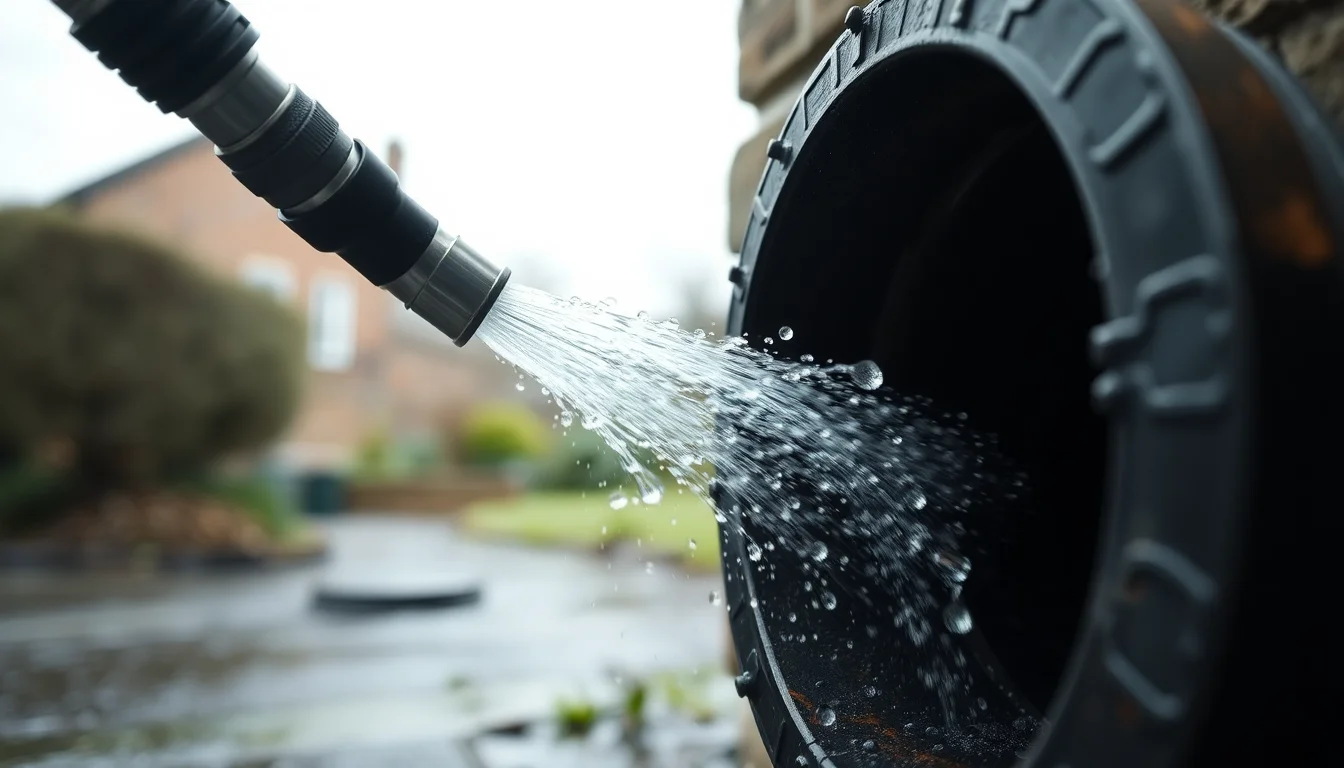
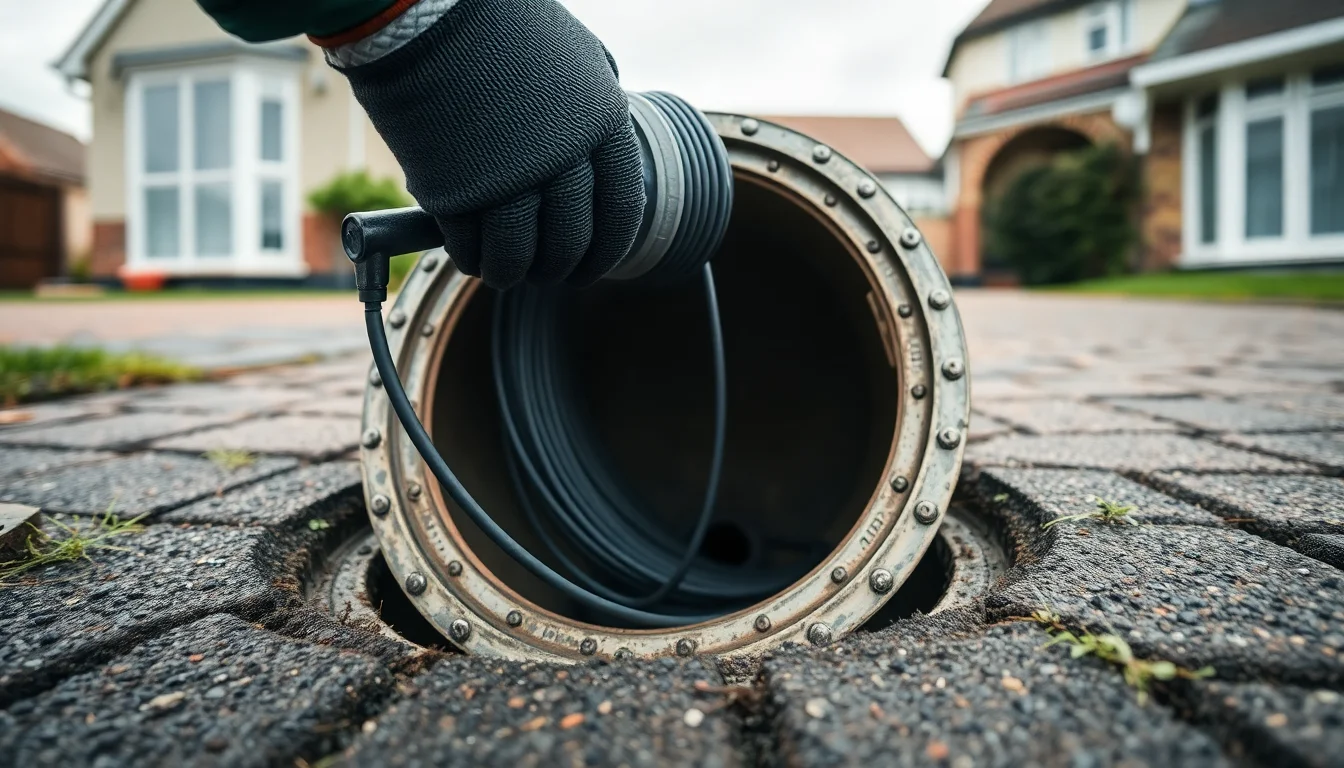
If water still drains slowly after these steps, the cause may be deeper in the system. A CCTV drain survey can show what is inside the pipe. Drain jetting can clean grease from the pipe walls, which hand tools often miss.
For a blocked sink that will not clear, you can send a request through the form. Your request goes to a drainage engineer who can respond. Since the engineer sets the price, ask for a written quote and ask about a call-out charge before work starts. Get in touch online when you are ready.
If the sink still blocks after these steps, a town page can help you plan. The pages for blocked drain help in Arbroath and blocked drain help in Forfar list what to send. In Perth, read the Perth blocked drains page. South of the Tay, see blocked drain help in Newport-on-Tay.